
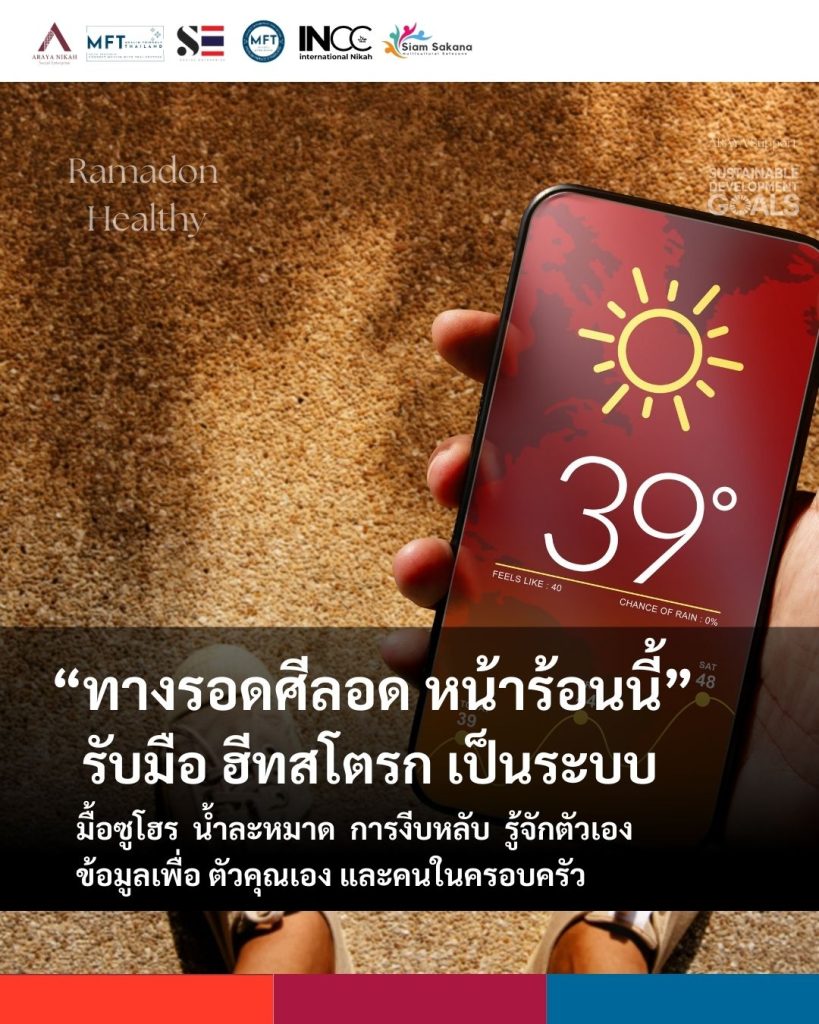
Fasting in hot weather is a challenge that requires good preparation to prevent dehydration and fatigue. The following guidelines will help you fast safely and effectively.
1. Symptoms to Watch For and When to Stop Fasting for Health Reasons
If you experience any of the following symptoms, you should consider stopping your fast to prevent harm to your body:
- Dizziness, lightheadedness, nausea
- Severe fatigue, difficulty breathing
- Severe headache, vomiting, or loss of consciousness
- Heatstroke symptoms, such as very high body temperature, no sweating, rapid heartbeat, confusion, nausea
Heatstroke First Aid
- Move the person to a shaded area and lay them down flat, raising the legs slightly
- Loosen clothing and apply a cold, damp cloth to the body, especially the neck, armpits, and groin
- Use a fan or cool water spray to help lower body temperature
- If the person is conscious, give them small sips of water
- Get them to a hospital promptly if symptoms are severe
2. Foods and Drinks That Help Increase the Body’s Water Content
| Food/Drink | Benefit | Recommended Amount |
|---|---|---|
| Plain water | Prevents dehydration and helps maintain the body’s balance | 1.5-2 liters per day |
| Nabeez / rehydration fruit drinks | Helps restore energy and maintain blood sugar levels | 1 glass (250 ml) |
| Oats / whole wheat bread | Provides long-lasting energy and keeps you full longer | 1 cup |
| Dates / assorted nuts | High in fiber and helps sustain energy throughout the day | 3-5 pieces |
| Watermelon / cucumber / orange / papaya | Rich in water and helps keep the body refreshed | 1 cup |
| Salty foods / caffeinated drinks | Should be avoided, as they cause the body to lose water faster | Avoid |
3. Using Wudu Water to Cool Down
- Wash your hands, face, and the back of your neck to reduce heat
- Sprinkle water on your head or wipe the back of your neck
- Wash your feet to help lower body temperature
4. Practicing the Sunnah to Reduce Fatigue
- Praying Sunnah Duha 15-20 minutes after sunrise
- Taking a midday nap (qailulah) for about 15-30 minutes before or after Dhuhr prayer
5. Avoiding Activities That Cause Excessive Water Loss
- Avoid strenuous exercise between 10:00 AM and 4:00 PM
- Stay in the shade and wear well-ventilated clothing
- If you work outdoors, take periodic breaks and use wudu water to cool down
6. Recommended Activity Schedule for Fasting on Extremely Hot Days
| Time | Activity |
|---|---|
| 03:30 – 04:30 | Suhoor, drink water, nabeez, or rehydration fruit drinks, and pray Suhoor |
| 05:00 – 06:00 | Pray Fajr and rest |
| 08:00 – 09:00 | Work or travel |
| 10:00 – 11:00 | Avoid the sun, use wudu water to cool down |
| 12:00 – 13:00 | Pray Dhuhr and take a midday nap (qailulah) |
| 14:00 – 15:00 | Refrain from strenuous activity, use wudu water to stay cool |
| 16:00 – 18:00 | Pray Asr, rest and prepare to break the fast |
Summary
Fasting in hot weather requires good preparation — in terms of nutrition, using wudu water, and practicing the sunnah, such as sunnah prayers and taking a midday nap. Following these guidelines will help you fast effectively and safely, even in extremely hot conditions.
You must be logged in to post a comment.