
What do people do on Eid, or Hari Raya?
New Muslims preparing for Eid New Muslims preparing for Eid
What do Muslims do on Eid?

Eid, or Hari Raya, is a festive day for Muslims.
Eid activities may vary somewhat, but the main elements are:
– Going to pray together and listening to a religious talk in the morning of Eid (prayer times differ from mosque to mosque, typically starting from 7:30, with the latest being 9:00 — check the prayer time at each mosque)
– A day for visiting relatives and friends
and asking forgiveness of one another for any wrongs done
– Adults commonly give money to children
– Eating together as a family, cooking various dishes to share
– There may also be additional charitable giving and donations for those who are able,
and non-Muslims are welcome to take part in the various activities without any restriction whatsoever.
Common greetings used on Eid, which people of any religion can use to offer well-wishes
They usually begin with:
1. “Eid Mubarak” or “Selamat Hari Raya,” meaning “Happy Eid”
2. Asking ma’af (asking for forgiveness)
3. In addition, people also offer du’a, or blessings, to one another, commonly along the lines of
asking Allah to accept our good deeds and yours — that is the main structure, which people then adapt as they like.
For example
Eid Mubarak
If there has been any word or action, in body or speech, that has caused discomfort, I ask for ma’af here as well.
May Allah accept our good deeds and yours.
or
Selamat Hari Raya
May Allah accept our good deeds and yours, and if I have wronged you in any way, I ask for ma’af.
and so on.

Attire
Whatever is convenient and within one’s means, dressed neatly in keeping with local culture.
There are no specific requirements on this, but people commonly like to dress especially nicely.
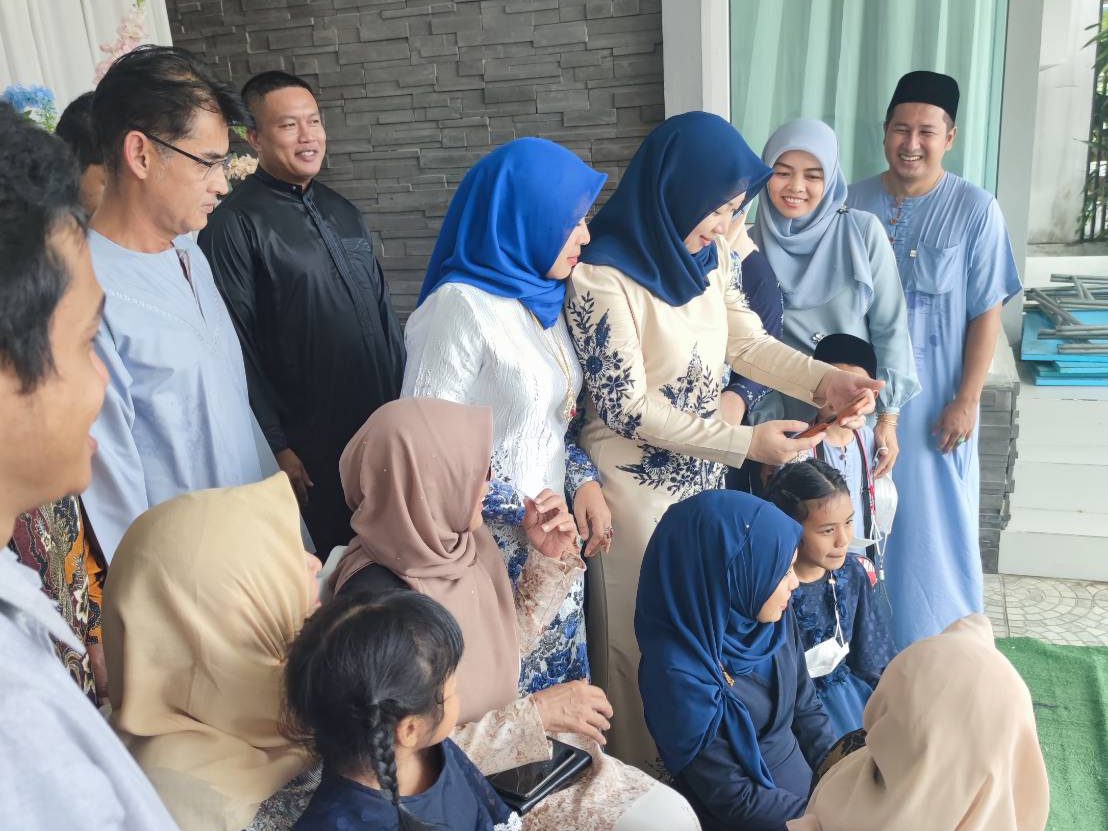
An example of one Muslim’s Eid day schedule
5:00 — Wake up to prepare for Subh prayer
6:30 — Get dressed and come down to eat, greeting with salam and asking ma’af of any relatives encountered
Some families who don’t often return to their hometown may use this time to visit the cemetery
7:30 — Go to the mosque to join the Eid prayer
9:00 — Return home to eat and begin going out to visit relatives, or wait to receive relatives give money to children, and so on, spending the whole day visiting with one another
You must be logged in to post a comment.