Eid al-Adha, often called the “Big Eid,” is one of the two most important festivals for Muslims around the world, and a special occasion filled with deep meaning, warmth, and sharing. This festival is connected to the Hajj pilgrimage, which takes place in the holy city of Makkah, Saudi Arabia, around the same time.
Although it is a religious festival, Eid al-Adha is open for everyone to learn about and take part in in a friendly way — whether you are a new Muslim who is just learning to live within the faith, or a non-Muslim who has been invited to join a celebration or share a meal with Muslim friends. This article will help you understand and prepare with confidence.
🌟 The Meaning of Eid al-Adha
The word “Adha” means “sacrifice,” and in the context of this Eid, it refers to giving up something of value for a greater good — such as mercy, faith, and helping others.
Eid al-Adha is therefore a day for remembering good intentions, mercy, and sacrifice for the community more than any single ritual. In particular, sharing meat (from the qurban/sacrifice) with the community, including those in need, is considered the heart of the Eid.
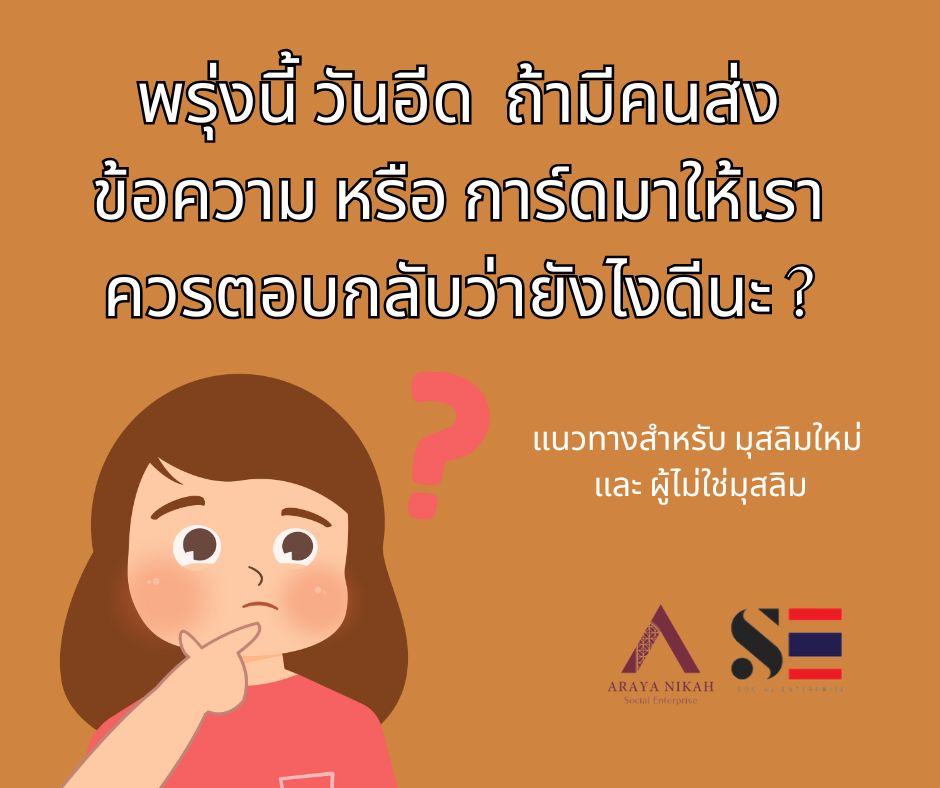
🤝 So what should you do if you’re not a Muslim but need to interact with Muslims on Eid?
Many people wonder where to start if they’re invited to an Eid gathering, or want to send good wishes to a Muslim friend. The answer is: with a smile and sincerity.
- 💬 Popular greetings:
- “Eid Mubarak!” (Happy Eid)
- “Happy Eid al-Adha!”
- “Wishing you and your family happiness on this Eid al-Adha”
- 🎁 If attending a gathering at a Muslim household:
- Dress modestly (cover the knees and shoulders)
- No need to worry about the food — the host will prepare halal food
- There’s no need to join in the religious rituals — simply sitting, listening, and smiling is more than enough
- You can bring children along — they usually receive sweets and gifts on this day
- 💡 Things to avoid:
- Avoid discussing the price of the sacrificial animal, or bringing up religious differences in an argumentative way
- Don’t show fear or prejudice toward the rituals
💌 Sample Eid al-Adha greetings and card messages
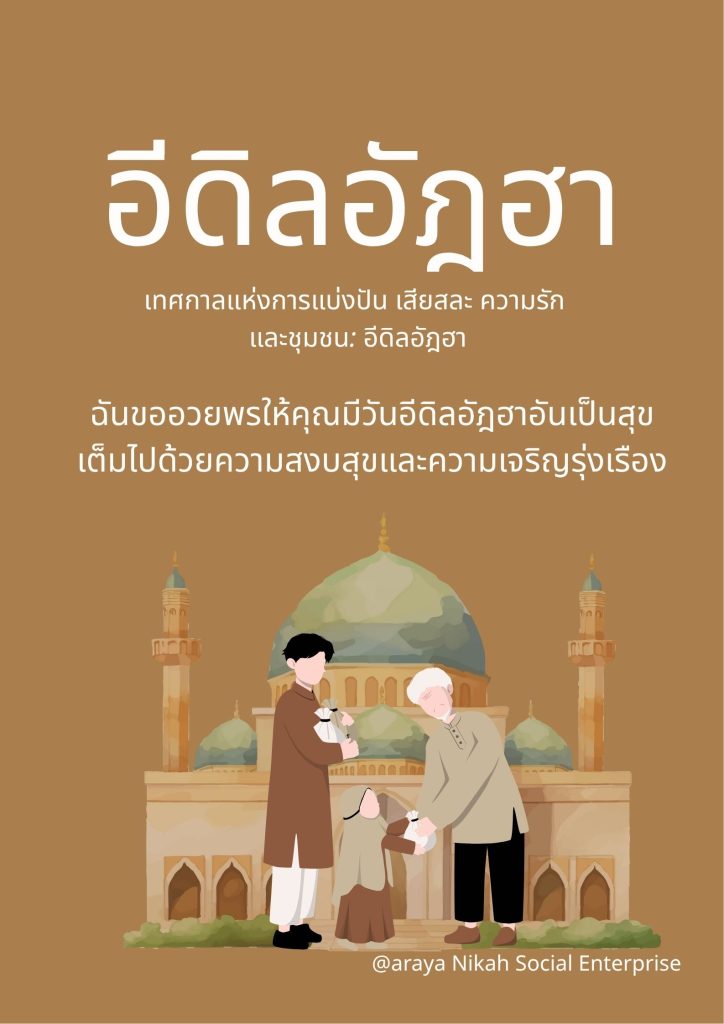
“Eid Mubarak! May you and your family have a peaceful, warm, and joyful time on this Eid al-Adha.”
“Happy Eid al-Adha! May your day be filled with joy, togetherness, and meaningful moments.”
“Happy Eid — may your life be balanced, in mind, relationships, and work, throughout this year and the next.”
🧕 What do Muslims do on Eid al-Adha?
- Wake up early and perform the ablution to prepare properly
- Wear clean and nice clothing, often new clothes or traditional dress
- Go out for Eid Prayer at the mosque or an open field together with the community
- Recite the Takbir, such as “Allahu Akbar, Allahu Akbar…” before the prayer
- Perform the “Qurban” (ritual sacrifice) of an animal such as a goat, sheep, or cow, dividing the meat into three parts:
- For the family
- For relatives and neighbors
- For those in need or less fortunate
- Share a meal together — some families host neighbors for a feast
- Give gifts to children, or “Eid money,” which adds to the festive atmosphere
🌱 How should new Muslims behave on Eid al-Adha?
For those who have recently embraced Islam, Eid al-Adha may be an unfamiliar new festival. Here is a simple but valuable guide:
- ✅ Join the Eid prayer at a nearby mosque, or with a Muslim community group
- ✅ Recite the Takbir and greet people with “Eid Mubarak”
- ✅ If you’re able, take part in the qurban with others — this is a good way to practice sacrifice and sharing
- ✅ Help distribute food or assist with community activities, such as packing goods or donating clothes
- ✅ Reach out to relatives or Muslim friends to join in the celebration if you don’t yet have a network
What matters most is “good intention and an open heart to learn” — that’s already enough.
📌 Key terms about Eid al-Adha (SEO Keywords)
- What is Eid al-Adha
- What new Muslims do on Eid
- How non-Muslims should behave on Eid
- Eid al-Adha
- Muslim festivals
- Eid greetings
- What is qurban
- Mosques and Eid prayer
🎯 Conclusion: Eid al-Adha is a day of meaning that everyone can share in
Eid al-Adha is not just a religious holiday — it is, more than that, a time of the heart, filled with mercy, gathering, and mutual understanding. No matter who you are, whatever your ethnicity or religion, you can learn, share, and build friendship beautifully during this festival.
Because Eid isn’t just a religious day… it’s a day of good relationships between people 🤍
You must be logged in to post a comment.