Business owners who are not Muslim but want to expand into the Muslim market without affecting their organization’s existing mission — particularly in service-type products such as cafes, hotels, banquet halls, spas, or others that want to open up to the Muslim market, but the business owner is not Muslim and lacks the relevant knowledge — how can they start entering this market in a systematic way? Muslim Marketing Sandbox Strategies is the answer.
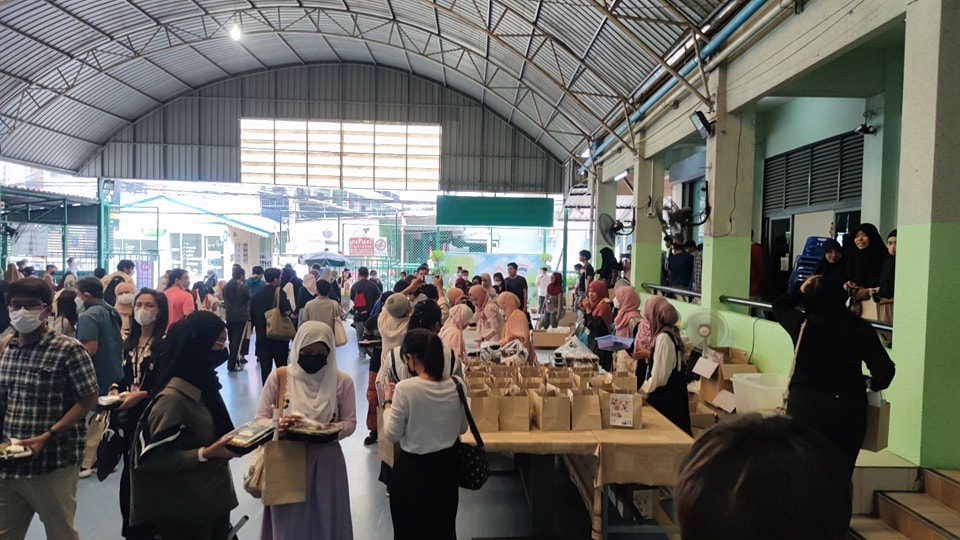
The Muslim market, or Islam-observing population, in Thailand today is expanding, both domestically and through international relations, with a growing influx of Arab and Chinese Muslim customers. This creates a good opportunity for Thai business owners, both inside and outside the Muslim market, to develop products and offerings to further serve this group.
However, due to the limitations and lifestyle of Muslim customers, planning to care for customers appropriately and to match this market segment is something business owners need real knowledge and understanding of. At the same time, this marketing plan must not affect the organization’s existing mission or change its form so much that it loses its own identity. Planning to add a trading channel with the Muslim market while preserving the organization’s existing culture — for example, a hotel that sells alcohol but wants to sincerely serve additional Muslim customers while giving importance to the way of life of those who follow Islam can be done systematically through the concept of multicultural marketing. This marketing framework was first developed in Thailand by Mr. Yaoharee Lahtee of ARAYA Nikah Planner Co., Ltd., originally to serve customers arising from Islamic weddings in multicultural families, and later developed into Muslim Marketing Sandbox Strategies. This framework focuses on helping business owners adapt to enter the Muslim market domestically and internationally, at the lowest possible cost, reducing errors, through the following steps
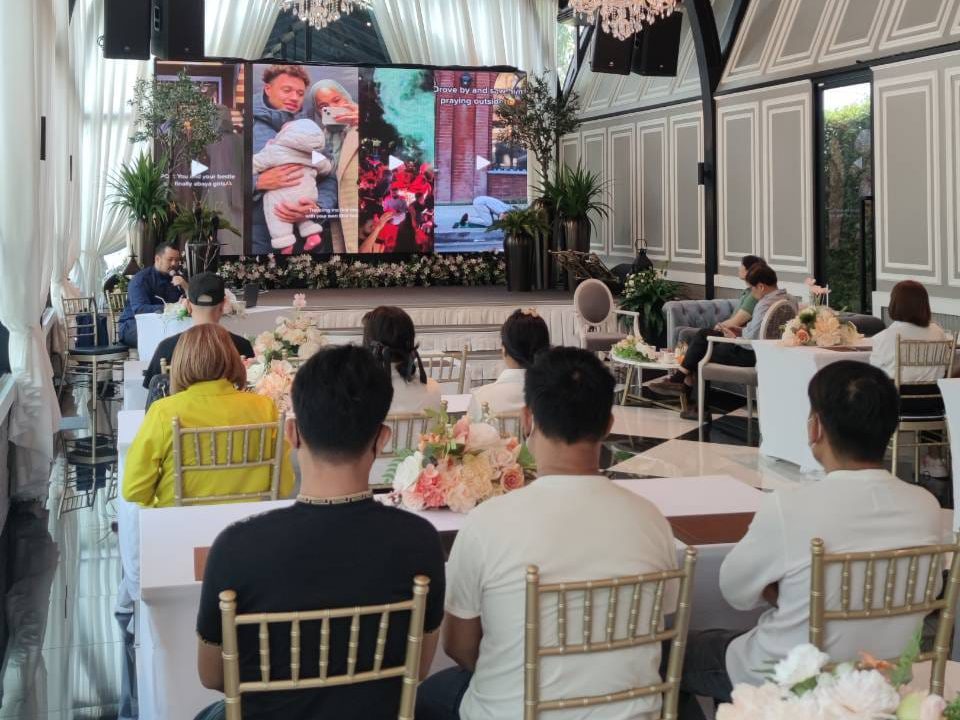
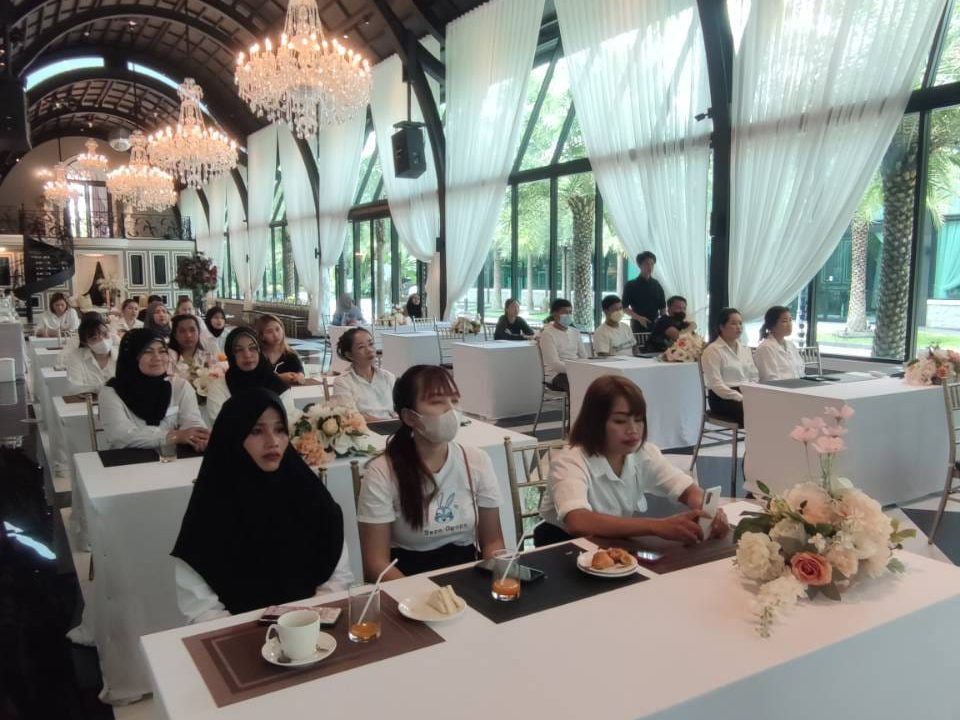
Starter: Before You Begin, You Need a New Mindset
Learning and understanding all the previously unseen issues means adjusting the organization to have a correct new understanding of the status of products and services — for example, misunderstandings about the necessity of applying for a halal mark, since for some products applying for a halal mark may affect the organization’s way of operating and may not be as necessary as assumed, and so on — as well as setting up a skilled working group and giving the project full dedicated time. Getting this first step right leads to correct management going forward.
After forming the working group, divide the work into the following phases
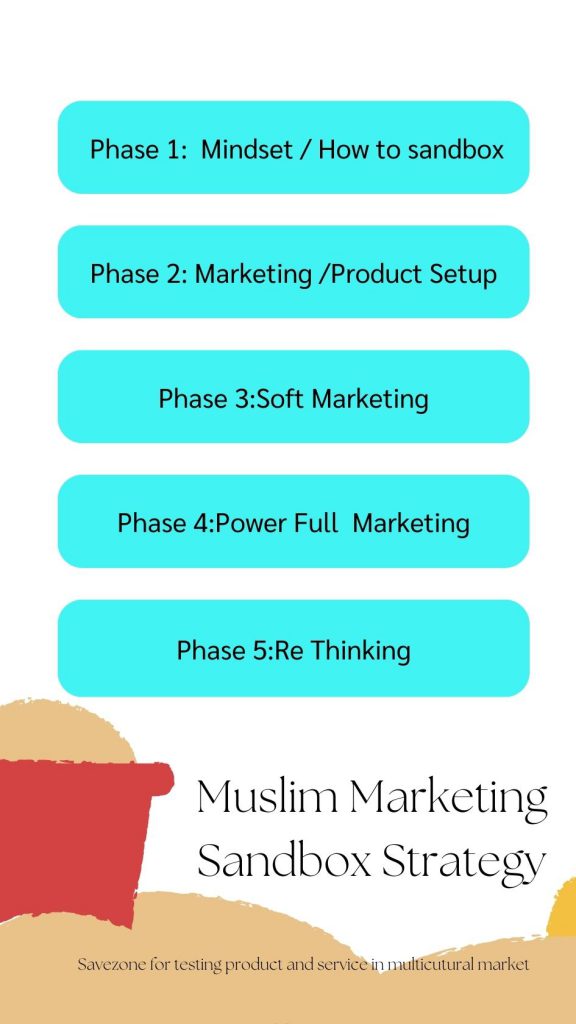
Phase 1: Setup Sandbox
This is a process that begins with reconsidering the organization itself entirely — setting up systems such as the service provider’s mindset, understanding of the organization’s multicultural service delivery, knowledge and understanding of Islam and Muslim customers (which can be extended to Buddhist, atheist, Christian, or other customers as well), understanding real versus perceived limitations, and learning about important dates and the way of life of Muslims or other religions, so that management can plan marketing appropriately, which requires correct knowledge and understanding.
This part also includes Marketing Setup — management must come back and set up the marketing system afresh so it aligns with multicultural communication, improving services, products, and packages to align with the multicultural market, and so on, as well as doing Inbound Marketing and other activities.
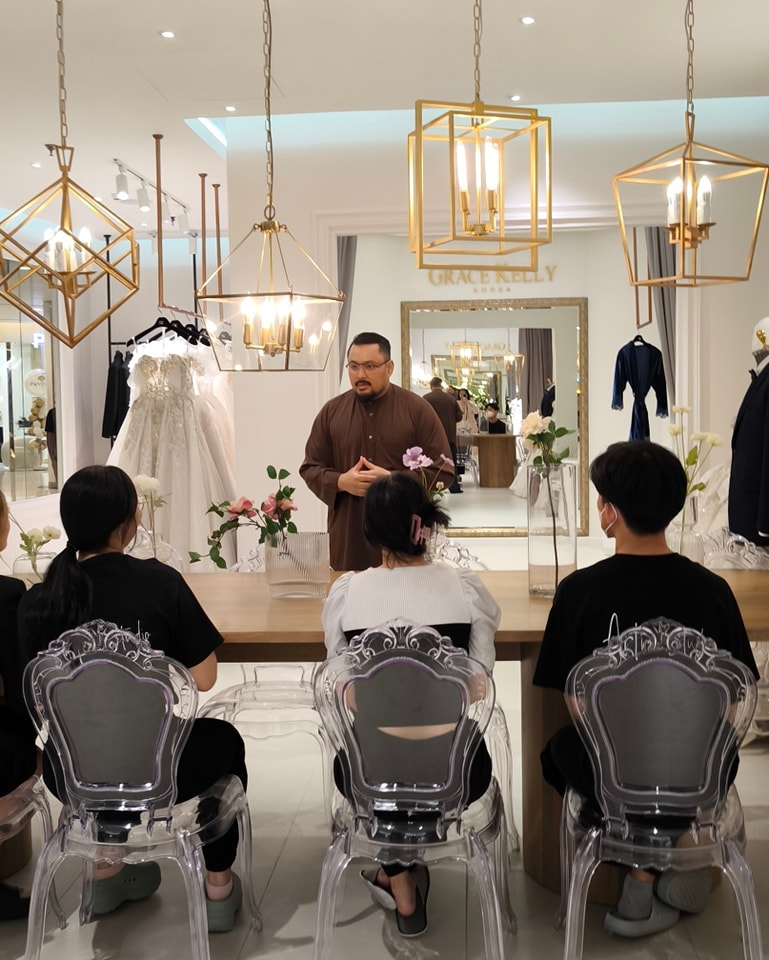
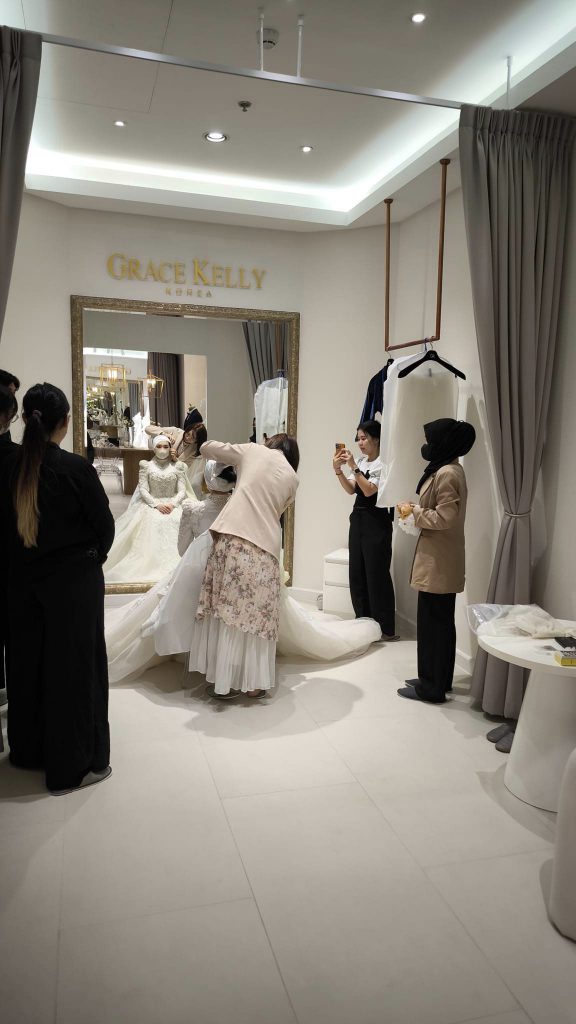
Phase 2: Build Thrust And Connection
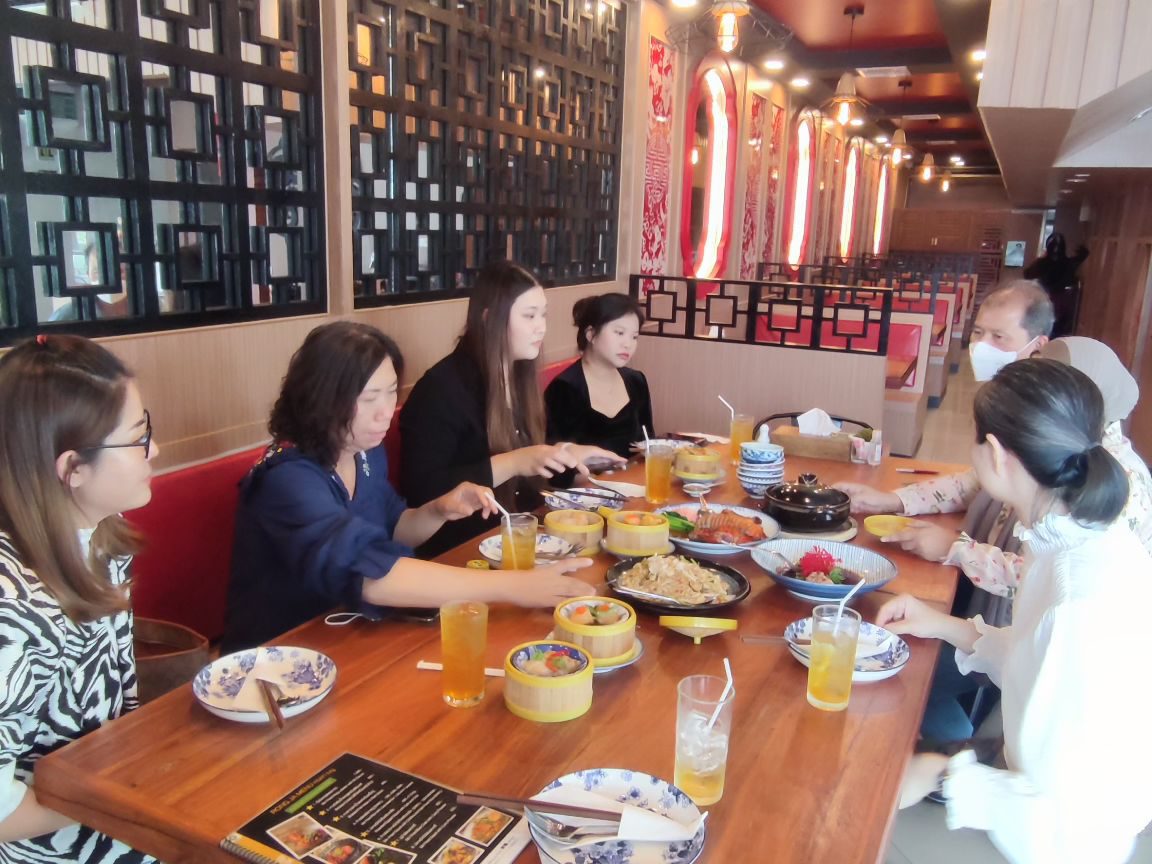
A mistake many organizations make is skipping this step — marketing to the Muslim market requires very high trust and confidence, and a common mistake is business owners assuming that applying for a halal mark alone is enough. This process is about starting to do branding and communicate that the organization is ready to be multicultural, by connecting with religious sites, groups, and organizations that have a similarly friendly stance. An important point about these connections is that society is diverse, with both agreeable and disagreeable elements; connecting with a large number of organizations is not the same as connecting with quality organizations — for example, connecting with temples, churches, or mosques that are open to a multicultural society, and so on. In addition, a number of soft-branding activities also need to be developed to strengthen this part of the structure.
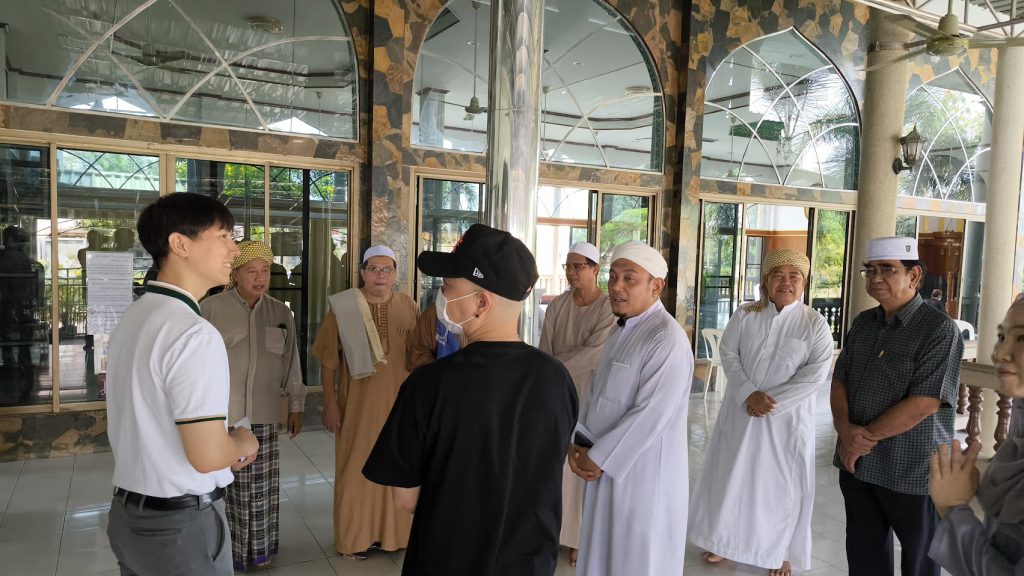
Phase 3: Soft Marketing
This is the process where the organization must begin marketing focused on brand-building strategy, testing communication both paid and unpaid toward society. The organization must set more goals or KPIs, using general marketing tools and choosing the ones suited to each different market segment in order to achieve objectives, while ensuring the marketing plan does not conflict with Phases 1-2. It focuses on branding, brand awareness, and marketing aimed at results over 1 year or longer, in order to lay the organization’s foundation to become known in new markets.
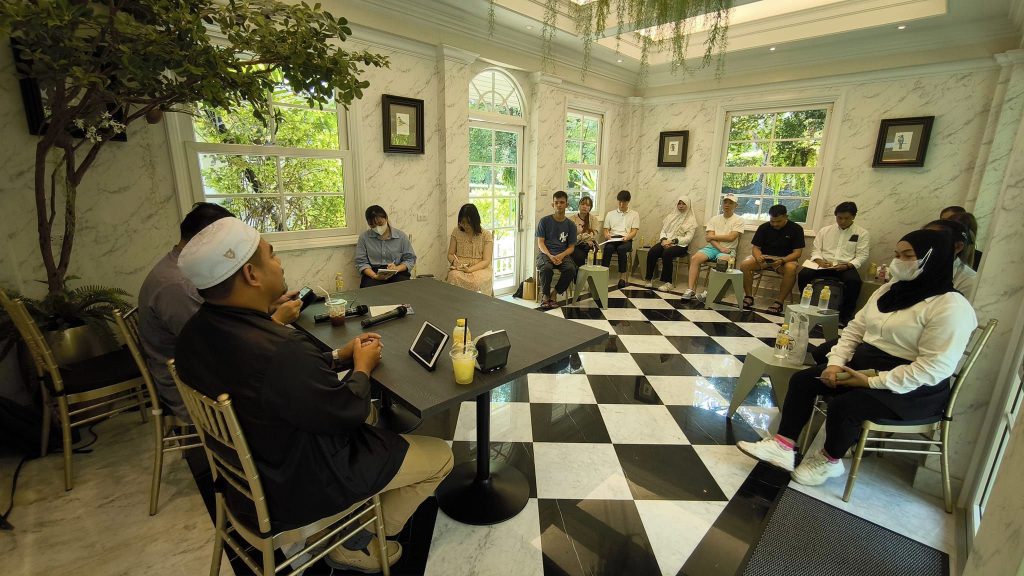
Phase 4: Power Marketing
If Soft Marketing has gone well and the business owner feels this market may be worth the investment, management should form an additional working group and do more proactive marketing at a higher cost — for example, a wedding business group might invest in organizing a Wedding Fair or other events using facilities and structures with higher costs, invest in Ads or other channels, or join other activities that benefit the organization’s short- and long-term marketing plan, as long as it does not conflict with previous Phases. This focuses on sales and marketing over a period of 3-6 months or less.
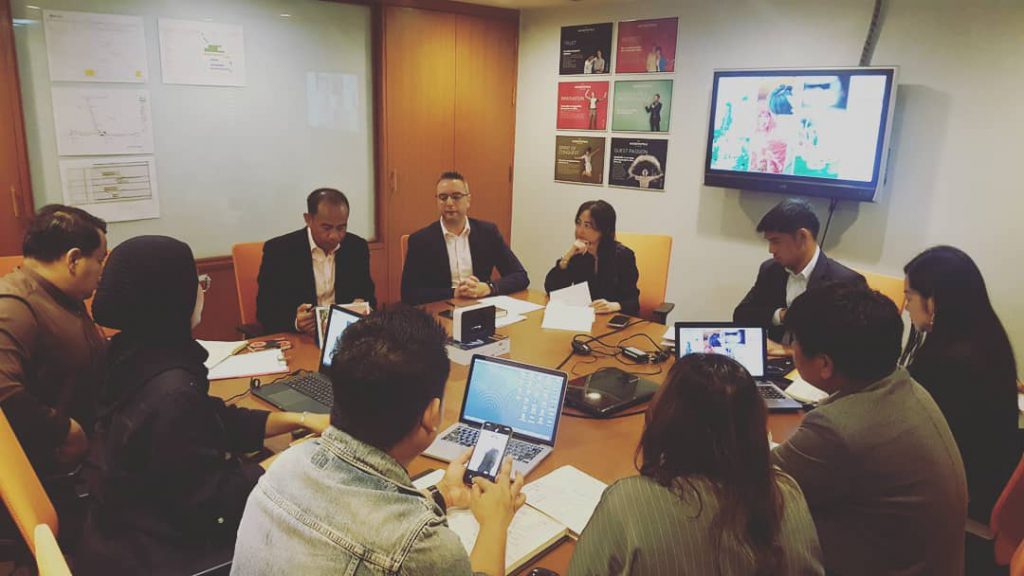
Phase 5: Conclusion and Re-Thinking
After one year of implementing the plan, review the marketing execution plan over that period, the return on investment, and other factors. If results so far have been low, consider withdrawing. If it is deemed feasible to develop a stronger business model structure, consider keeping the budget the same or increasing it, depending on each organization.
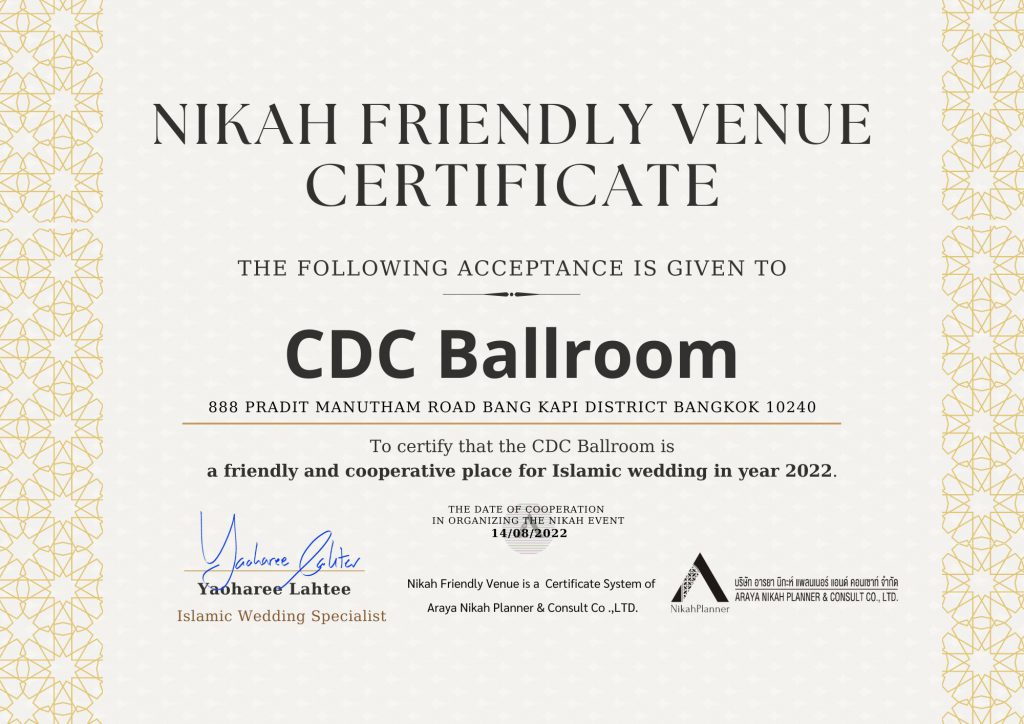
Conclusion
By following all 5 phases of this framework, business owners can reduce the risk of adjusting their organization to enter the Muslim market too early, too late, or the wrong way. This is a sandbox concept that reduces overall damage and lets business owners learn about and get to know the market at the same time, while also building a multicultural organization that does not lean too far in any one direction to the point of creating sensitivity or discomfort within the organization, all while opening up a new market that we can vouch for. I hope this framework will be useful to all business operators.
You must be logged in to post a comment.