
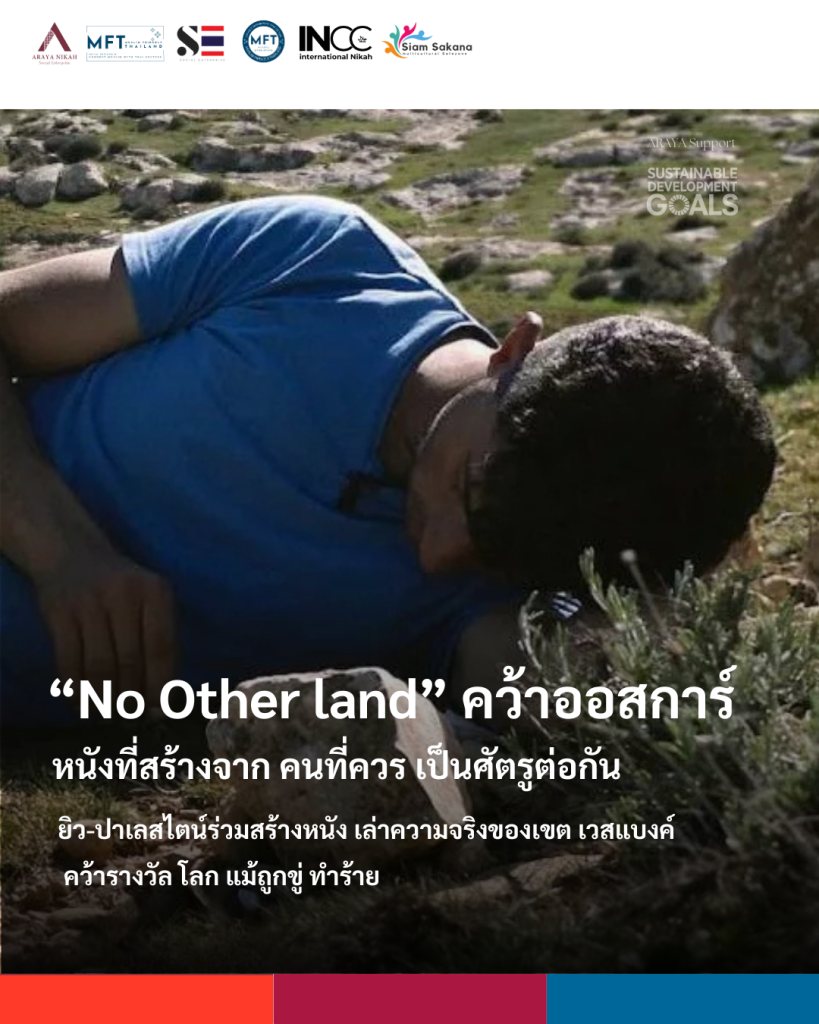
The documentary “No Other Land” won this year’s Academy Award for Best Documentary Feature and became a hot topic worldwide. The film tells the true story of the village of Masafer Yatta in the West Bank, an area where Palestinians have lived for a long time but are being forced out by Israel.
What makes “No Other Land” especially notable is that it was co-created by Basel Adra, the Palestinian activist whose story it tells, and Yuval Abraham, an Israeli journalist. The two come from opposite sides of the conflict, yet chose to tell the same story through their combined perspective.
The Story of the Film: A Village That Is Disappearing
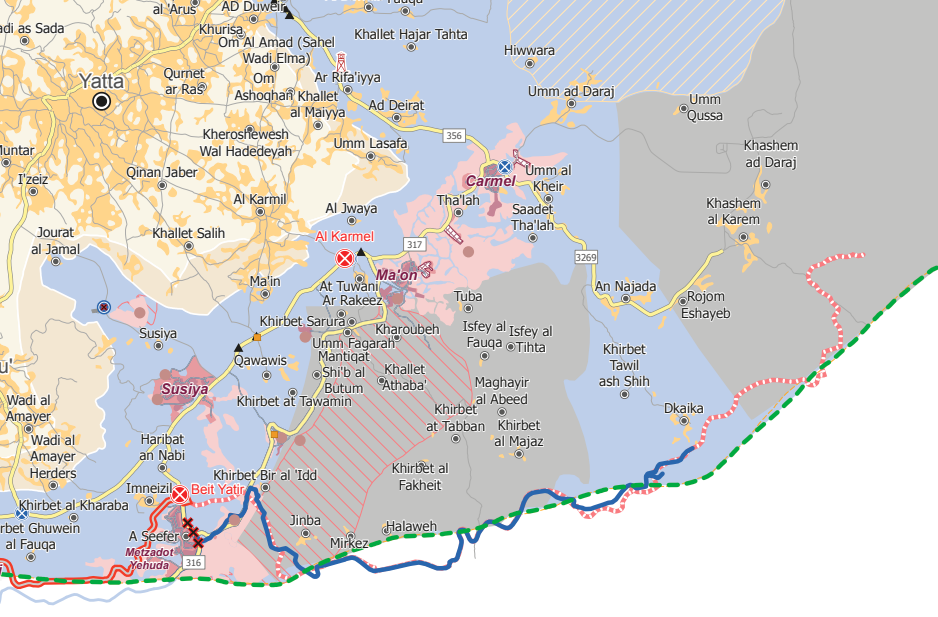
The film follows the life of Basel and his family, who live in Masafer Yatta, a small village in the South Hebron Hills that the Israeli government has designated a military training zone since 1981. Although this area does not appear clearly on Google Maps due to political restrictions and Israeli control, information can still be found from other sources, such as OpenStreetMap and reports from human rights organizations like B’Tselem or UNOCHA, which provide information on the situation in the area.
In the film, we see homes demolished, a playground torn down, attacks by groups of settlers, and the devastating event of Basel’s brother being killed by Israeli soldiers. It is not just a story of conflict between two sides, but a story of people being driven out of their own homes.
The Filmmaking Team: A Friendship Born in a Land of Conflict
What makes this film special is that it was created by two people who might otherwise have been enemies. Yuval Abraham is an Israeli who grew up in a society that believed Palestinians were a threat, while Basel Adra is a Palestinian living under Israeli control.
But when the two met, they discovered that the story of Masafer Yatta deserved to be told. Yuval decided to collaborate with Basel to make this film, so the world could see what life is like for Palestinians there.
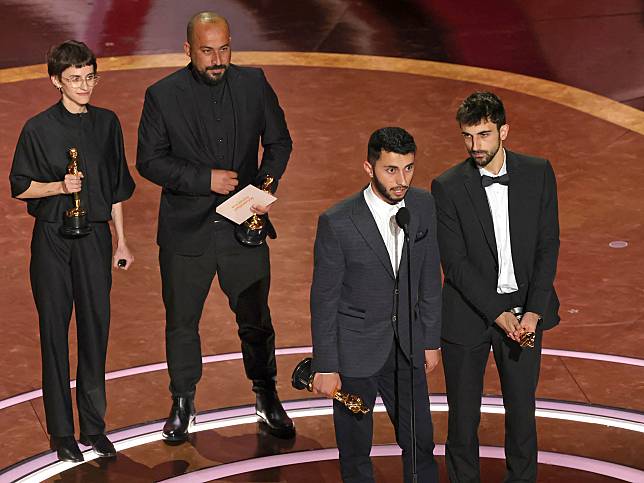
“When I look at Basel, I see my brother. But we are not equal. I am an Israeli citizen with rights under civilian law, while he lives under military law,” Yuval said on the Oscars stage.
Reception and Controversy
Although the film won the Academy Award and received international acclaim, it was also heavily criticized by the Israeli government. Miki Zohar, Israel’s Minister of Culture and Sport, said “this is a sad moment for the world of cinema,” accusing the filmmakers of distorting Israel’s image.
Meanwhile, Yuval and Basel have continued to receive threats from those unhappy with the film, particularly after Yuval called for a ceasefire in Gaza while accepting an award at the Berlin Film Festival.
But for Basel, the film is about more than an award. “I just had a daughter, and I hope she won’t have to grow up the way I did — afraid that our home will be demolished, living with violence that never ends.”
Why Does This Film Matter?
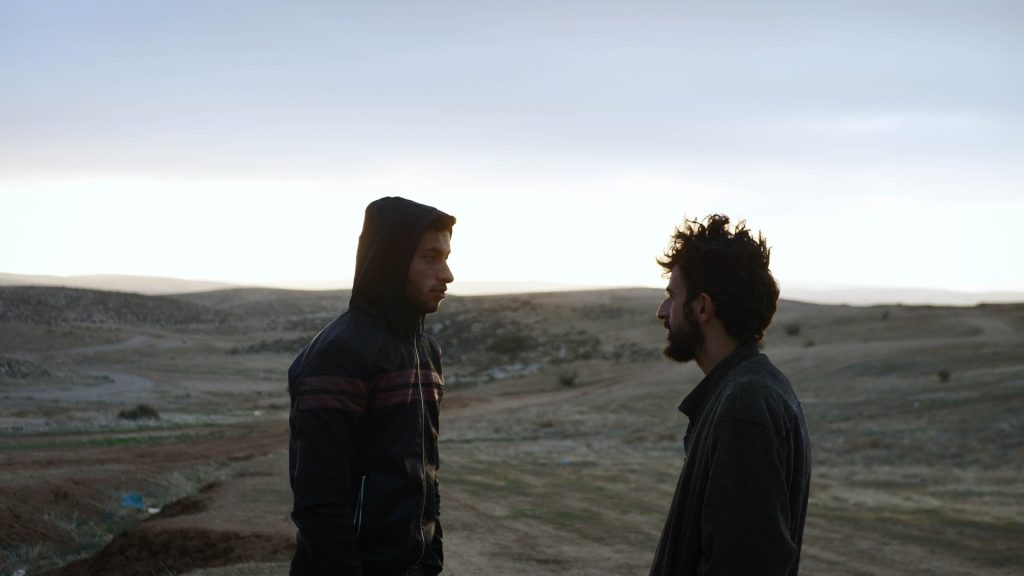
“No Other Land” is not a film that tries to say who is right and who is wrong. Rather, it tries to let people around the world see the truth of what is happening to ordinary people in a conflict zone — people who are not politicians, not terrorists, but simply families who want to remain in their own homes.
It is a film born of collaboration between two sides who might have been enemies, but who instead chose to build a bridge of understanding rather than a wall of hatred.
And that may be why it won the Academy Award — not simply because it is a good film, but because it has the power to change the perspective of people who once believed that “Muslims are the villains” or that “Israelis and Palestinians can never live together.”
It forces us to ask a new question: who, really, is the villain?
You must be logged in to post a comment.