
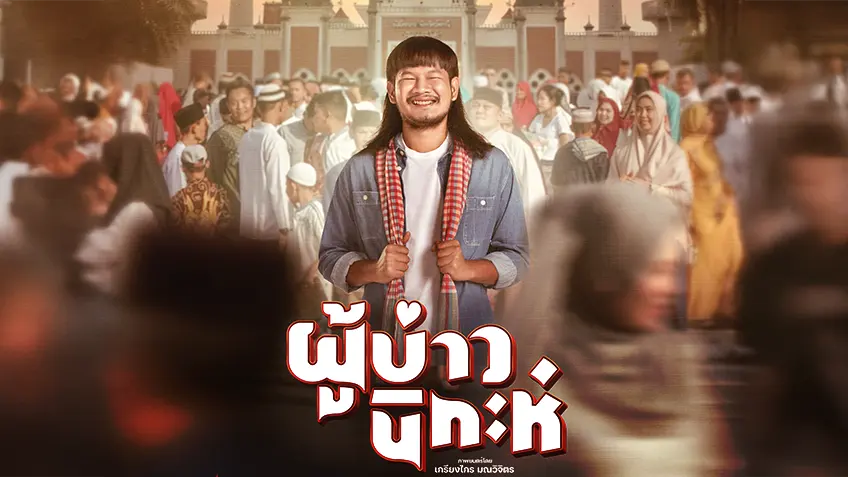
“Poo Baow Nikah” is not just a film that brings laughter and warmth — it is also a reflection of the real life of interfaith couples in Thai society. The story of Bak Khai, a sincere Isaan man, and Sofia, a graceful Muslim woman from the South, is a reminder that true love can cross every difference, whether culture, religion, or challenges from the family.
In real life, this kind of love is not easy to achieve. One example is a young Isaan man from Khon Kaen who fell in love with a Muslim woman from Pattani. The man had to adjust in many ways, such as learning to pray, to fast, and to abstain from drinking alcohol, while the woman and her family opened their hearts to accept Isaan customs, such as speaking frankly and the joyful atmosphere of celebrations. This story shows the power of adaptation and understanding in building a stable relationship, with ARAYA Nikah playing an important role in supporting both sides to build a lasting married life together.
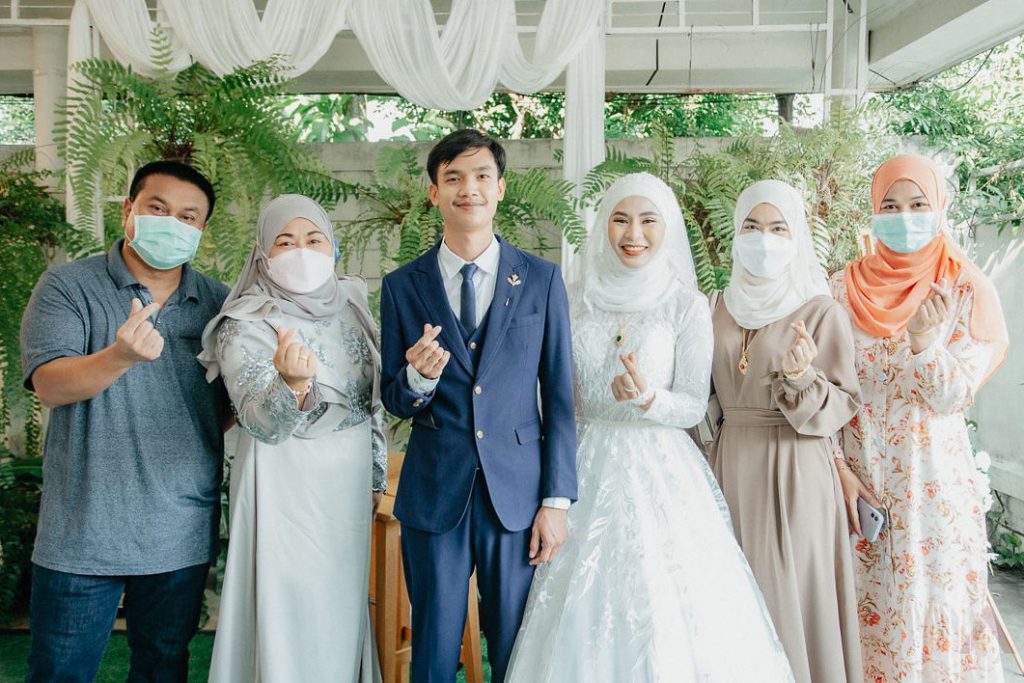
Lessons from Poo Baow Nikah: A Love That Must Overcome and Adapt
In the film “Poo Baow Nikah,” Bak Khai faces tests of love, whether adapting to a new culture and beliefs, or confronting Bang Lee, the brother who tries to protect the beliefs and culture of the bride’s family. For couples in real life, the story of adapting to one another in both religion and culture — such as blending halal food with local Isaan dishes at the wedding, and learning to respect each other’s customs — is an important example of how love can overcome different obstacles.
In real life, marriage between an Isaan person and a Southern Muslim is not something new, but there are still obstacles to overcome, such as misunderstandings between the two cultures, dealing with opinions from people around them, and adapting in daily life. Some couples who have succeeded say that speaking openly between the families is the key to building understanding, and that a simple wedding ceremony that emphasizes the relationship between family members greatly reduces the pressure.
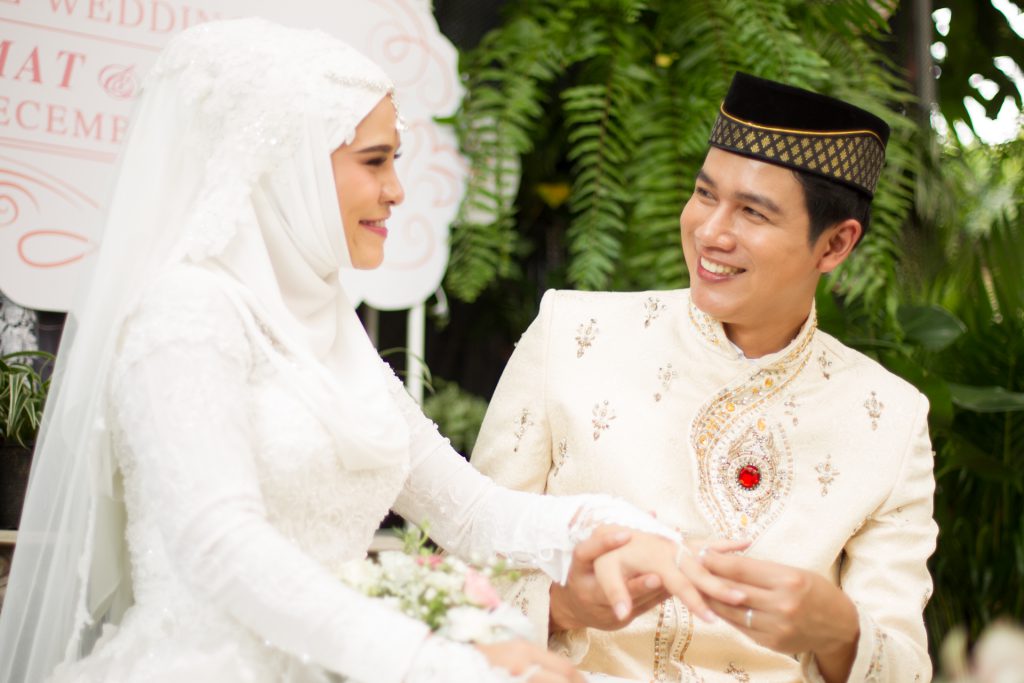
Key Points: A Love That Crosses Differences
1. Adapting for Love
Interfaith couples often have to learn each other’s way of life. Just as in the film, Bak Khai learns to adapt in daily life, such as respecting the practices of the bride’s family and creating shared space for different beliefs and cultures. Accepting and supporting one another is the key to building a stable relationship.
2. Pressure from Family and Society
In the film, Bang Lee represents the pressure from a family that wants to protect its own culture. In real life, organizing an event that emphasizes adaptation on both sides — such as blending Isaan folk music with a carefully arranged halal food table, and having conversations that build mutual understanding — is an example that helps reduce conflict and create a warm, mutually respectful atmosphere.
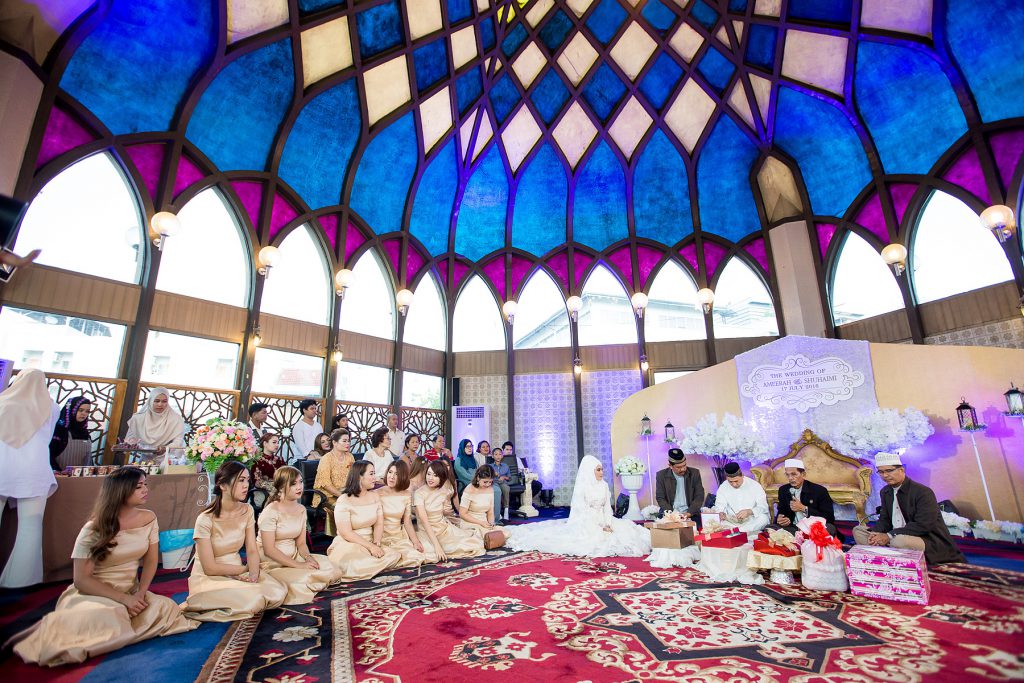
3. The Nikah Ceremony: The Starting Point of a Lasting Love
The nikah ceremony is more than a religious rite — it is an occasion that connects two families. Designing a simple ceremony, such as using words in the local language alongside Islamic recitations, and paying attention to details such as arranging a private space for the family to pray, truly reflects respect and acceptance of diverse cultures.
4. Organizing a Wedding That Balances Two Cultures
Successful weddings often emphasize balancing cultures, such as including Isaan folk music at the reception alongside a prayer space set up for the bride’s family. These things not only create a warm atmosphere but also show honor to both sides who differ culturally and religiously.
Conclusion: A Love That Overcomes Every Obstacle and Builds a Beautiful Future
In 2024, wedding planning has faced new complexities, such as conflicts between family expectations and the preservation of tradition. Yaoharee Laetee and Walancha Suphantharika, founders of ARAYA Nikah, have brought more than 15 years of experience organizing over 300 couples’ weddings to develop an approach that helps reduce conflict and build good relationships, focusing on organizing events that are simple and honor everyone. This makes the wedding ceremony not only an important event but also the starting point of a stable family life full of understanding — as opposed to arguments over dowry, conflicts over the format of the ceremony, or even substandard event management, all of which can lead to relationships breaking down, whether before or after the wedding. While some couples want only an elegant and simple wedding, the wedding industry still tends to focus on creating luxury while overlooking the important factor of good relationships between families.
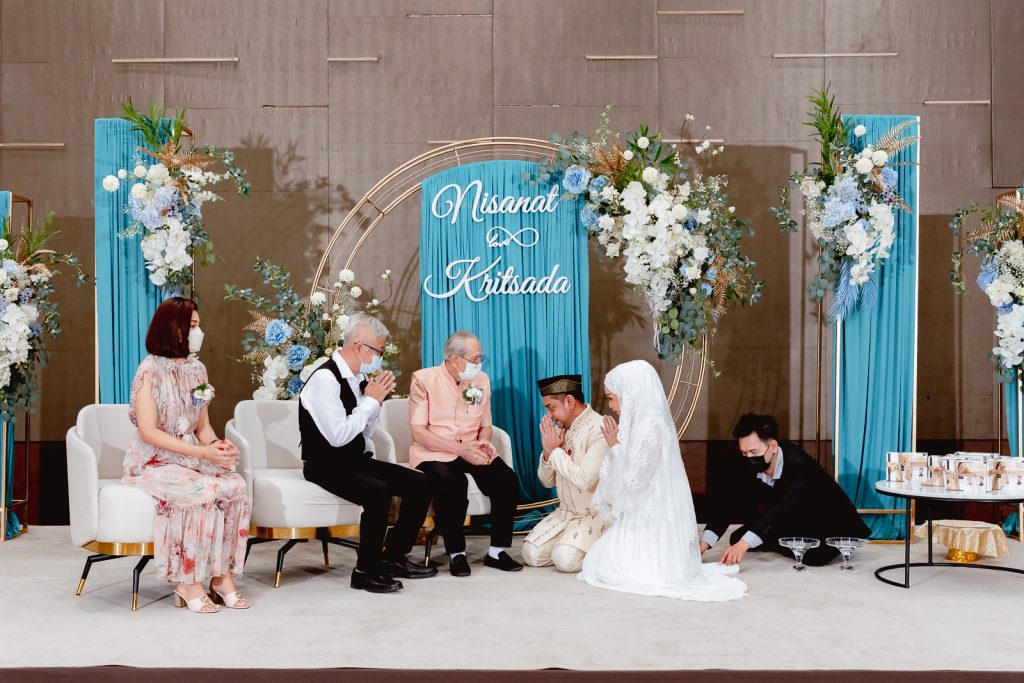
Balancing simplicity with honoring culture is an approach that helps sustain relationships between families. Examples from successful couples — such as a couple who chose to blend Isaan folk music with halal food at the reception, and set up a prayer space for the bride’s family — show that organizing an event that respects and reflects the identity of both sides, together with an open willingness to listen to one another, is the key to long-term happiness.
“Poo Baow Nikah” teaches us that true love is not without obstacles, but understanding, effort, and proper support can make that love last. Opening one’s heart to cross differences may be the starting point of a beautiful and stable relationship for the future.
For any bride or groom facing this challenge, trust in the power of love and understanding, because every step you take forward is building a beautiful future for yourself and the person you love.
You must be logged in to post a comment.