

Marriage is often thought of as something romantic between a man and a woman who love each other, but in reality it has a much longer story than that, and in truth the origin of marriage was not love, but the management of property, the passing on of inheritance, and family. When we talk about marriage, we inevitably end up talking about law.
Understanding this not only helps you understand the concept of marriage today and makes it easier to plan married life, it also leads to an understanding of Islamic culture.
In ancient civilizations, this was an era when women were viewed as property, and marriage was about linking tribes together and maintaining the stability of the tribe. Marriage in this era was mainly one man to an unlimited number of women. The various religions of this era (Christianity, Judaism, Buddhism, and others) had no prohibition against a man marrying more than one woman, and men could also keep concubines and slaves without limit.
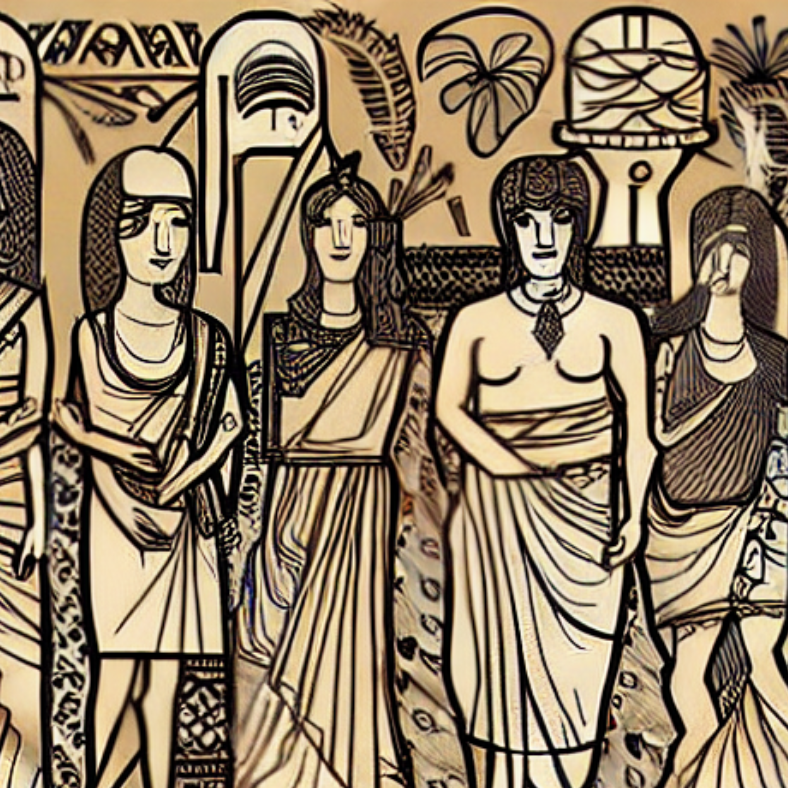
In the Middle Ages, marriage among the upper classes existed for political reasons, and for passing on and managing wealth, expanding land holdings, and status. Marriage in this era was still mainly one man to an unlimited number of women, and men could still keep concubines and slaves without limit.
In the 4th century, clergy and the Christian church in Rome began to speak of one-man-one-woman marriage, and it started to become better known, with more developed marriage procedures. However, society as a whole still generally practiced marriage with multiple wives, with concubines and female slaves as the norm, and divorce was not accepted for any reason.
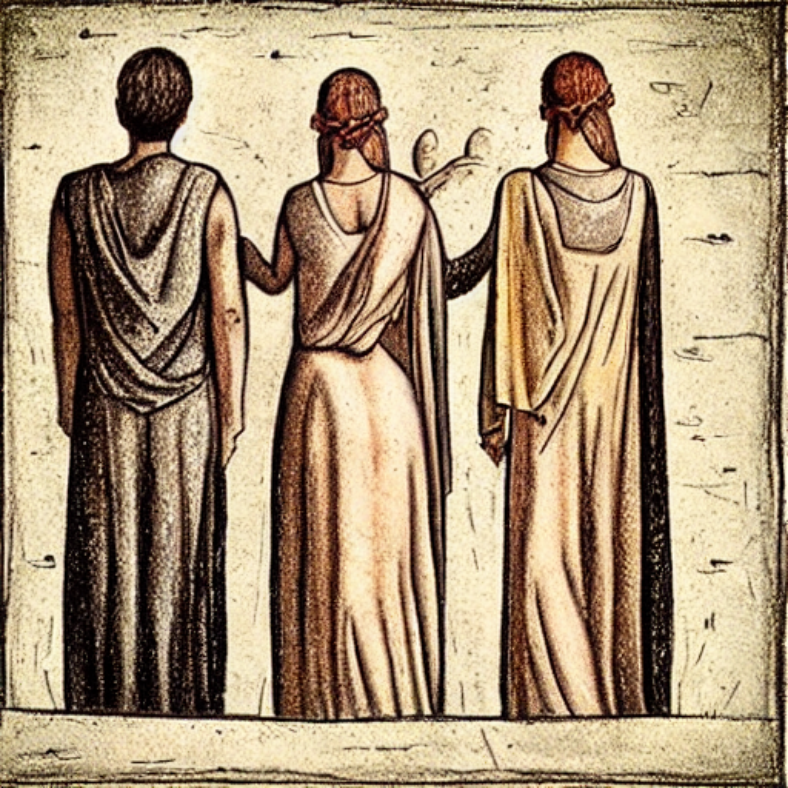
In the regions of Europe and the Arab lands, Rome, and Persia before the era of Islam, it was an era of complete sexual freedom. Marriage was one man to an unlimited number of women, men could have relations with slaves without marrying them, and a single man could have several wives, several concubines, and several female slaves. This created many social problems, including orphaned children.
In the 7th century, during the era when Islam was spreading through Arabia, Islam required men of that time to have no more than 4 wives, stipulating that if a man could not maintain justice and equal treatment among them, he should have only one, and that if he still could not control his desire, he should pray and fast. It also required that any relations with a slave had to take place through marriage, which caused the number of slaves in Arabia at that time to decrease as a result of marriage. In addition, Islam abolished the concubine system — bringing about a large-scale revolution in the status of the family in the Arab world, which then spread out to the surrounding kingdoms. This restructuring of the family system helped make society more cohesive.
What is interesting is that Arab women of this era gained the right to own property, the right to divorce if they found that their married life was not a happy one (a right European women would not receive until 1,300 years later), the right to hold a business, and the right to choose to remarry. At that very same time in Europe, women were still counted as property and had very few rights in how they lived their lives — for example, they could not own property or run a business, could not receive an education, and divorce was forbidden.
However, in both the Arab world and Europe, women still could not take part in politics or hold state power. It was a short flourishing era that gradually declined after the Prophet passed away, and these ideas did not appear in any other culture in the world at that same time.
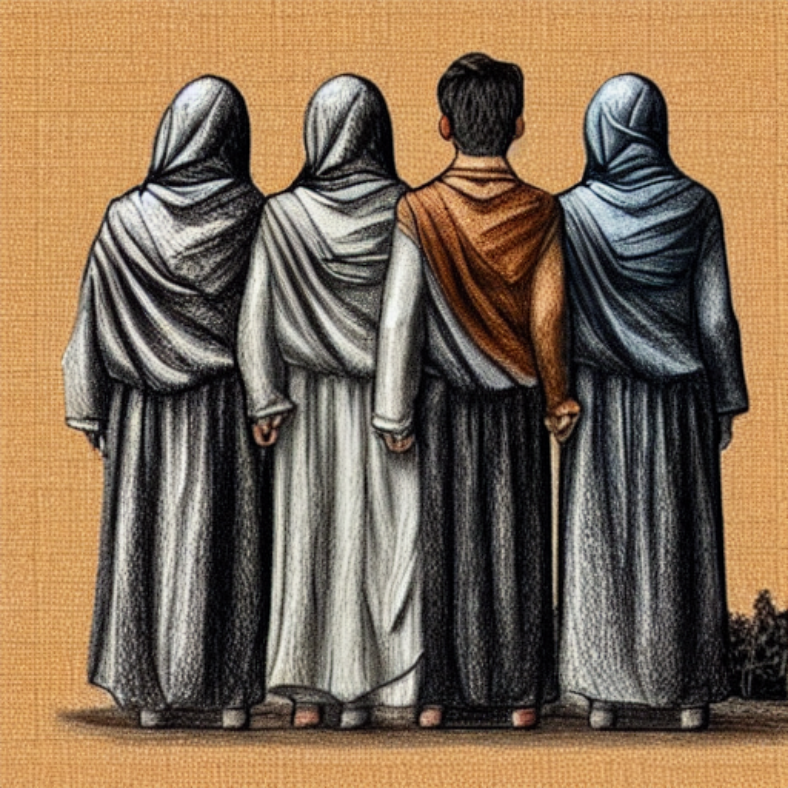
In the 13th century (600 years later), the Sukhothai era began to have laws relating to marriage, but these mainly addressed the family and the authority of the father — women had no role in the family or in society, and there was no division of property, only inheritance passed down to children.
In the 14th century, Ayutthaya began to have laws on husbands and wives, under which a husband could have multiple wives, but a wife could not have multiple husbands.
In the 15th century, the Protestant church began once again to push the idea of one-man-one-woman marriage, and there began to be more discussion of women’s rights in Europe, though the church still held firmly against divorce, and overall women were still treated as property and could not own a business.
In the 19th century, the Industrial Revolution gave rise to a large middle class, and women entered the workforce. This was the era in which a new concept of marriage emerged, called “Romantic Love.” People of this era began to marry “for love” rather than for financial or political reasons. It was the first era in which European women began to gain the right to own property, run businesses, and have full control over their own bodies, and it was the era in which one-man-one-woman marriage began to become law. At that same time, Thailand still operated under a system of one man to an unlimited number of women, with a slavery system in place. The idea of one-man-one-woman marriage was introduced among Thailand’s upper classes, but it was pushed back against by invoking Buddhist principles.
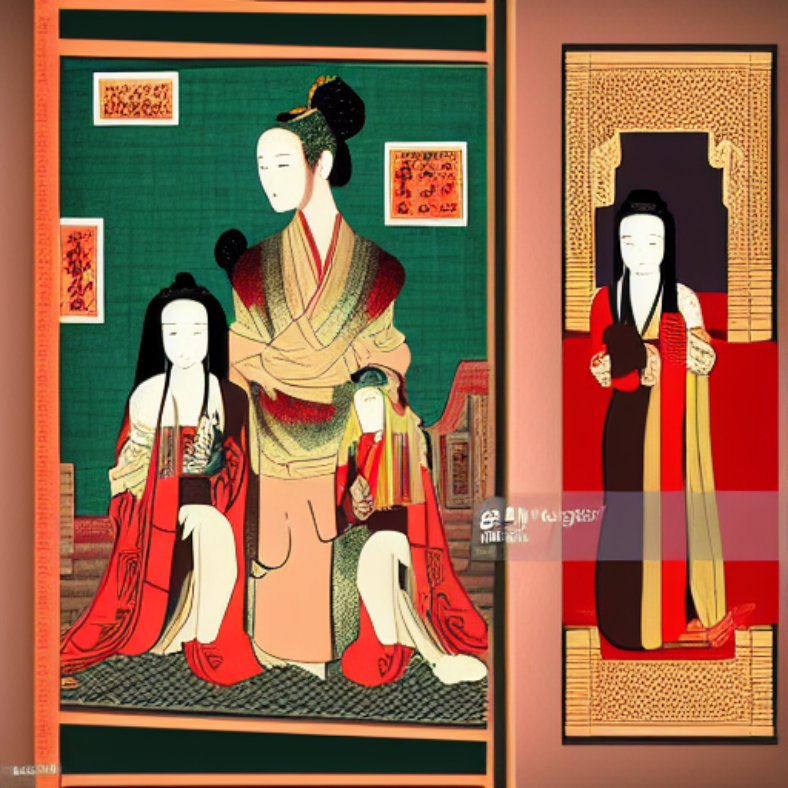
In the 20th century, marriage overall continued to develop, and women demanded greater family rights, especially the right to divorce, in order to remedy unhappy marriages. Thailand began to accept this in 1932 (Thailand adopted the concept of one-man-one-woman marriage through the reform of its system of government), meaning Thailand became a one-man-one-woman country by being made to adopt a new culture, rather than through its own original culture based on the good morals of Thai society.
In this century, many countries with large Muslim-majority populations have passed laws restricting marriage to multiple wives, making marriage to multiple wives illegal or requiring court permission. Practices around having multiple wives vary widely and remain a subject of debate in many Muslim-majority countries, with some religious leaders and scholars calling for the practice to continue, and others calling for it to be discontinued.
In the 22nd century, one-man-one-woman marriage is accepted as the norm across society in general.
You must be logged in to post a comment.