This article is designed to help non-Muslims learn and understand the Muslim way of life, focusing on “appropriate gifts,” “manners you should know,” and “additional things to know,” in order to promote understanding and peaceful coexistence in a multicultural society. This guide is also useful in preparing to visit a Muslim home properly and with mutual respect.
1. Appropriate Gifts: What You Should Know to Show Thoughtfulness
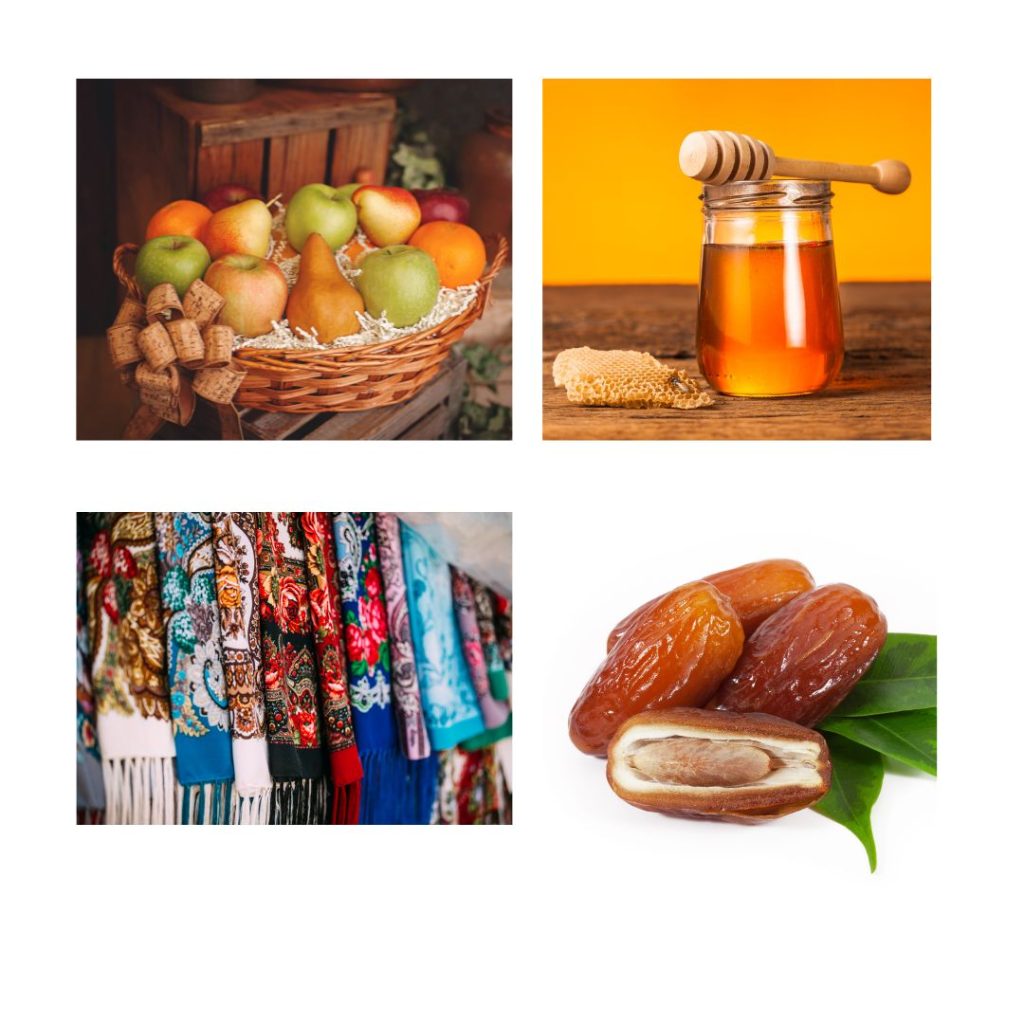
- Choose gifts that are not related to pork or alcohol: such as fresh fruit, sweets made from halal ingredients, or tea
- Gifts that show thoughtfulness: such as household items, a self-arranged gift basket, or natural products
- Avoid gifts with symbols of other religions: to show respect and avoid causing any discomfort
- Ask in advance: if you are unsure what is appropriate, you can ask the host
2. Dress: Showing Respect Through Appropriate Clothing
- Dress modestly: avoid overly revealing clothing, such as sleeveless tops or shorts
- Be mindful of local culture: dressing appropriately shows honor and respect toward the host
- Choose simple, plain-colored clothing: avoid wearing clothing with symbols or messages that might cause misunderstanding
3. Important Manners: How to Behave in a Muslim Home
- Remove your shoes: before entering the house, you should remove your shoes and place them in the designated spot
- Avoid physical contact between the sexes: many Muslims avoid physical contact with members of the opposite sex who are not relatives; it is best to wait for the Muslim party to indicate an appropriate gesture first
- Respect religious spaces: for example, the prayer area — avoid stepping on it or using it unnecessarily
4. Additional Things to Know: Understanding and Respecting Differences
- Be careful about shared utensils: check that any shared utensils have been properly washed
- Respect prayer times: Muslims pray five times a day; if you are visiting during that time, please wait until they have finished
- Avoid disturbing them: refrain from making loud noises or engaging in activities that might disturb Muslims while they are performing religious duties
- Ask politely: if you are unsure about what is or isn’t appropriate, you can ask directly
5. Basic Knowledge About Halal, Haram, and Najis
- The word “halal”: refers to what is permitted under Islamic principles, such as food that has been prepared correctly, including animals slaughtered according to Islamic method, and containing no forbidden ingredients
- The word “haram”: refers to what is forbidden, such as pork, alcohol, and acts that go against religious principles
- The word “najis”: refers to what is impure, such as dog saliva, blood, urine, and feces, which must be cleaned according to religious rules
Simple examples:
- Food containing pork is considered “haram” and cannot be eaten
- If you come into contact with dog saliva, it is considered “najis” and must be cleaned properly
Summary
Visiting a Muslim home is a great opportunity to learn about the culture and build good relationships. If you pay attention to the manners and things to know discussed in this article, you will be able to show respect and understanding of the Muslim way of life appropriately.
You must be logged in to post a comment.