
“What steps are needed to hold a wedding at home?” is a question from brides and grooms who want to plan on using their own home, or their parents’ home, as the venue. Today Bung Joke from Arayaweddingplanner.com will walk you through what you really need to do, and where to start, when holding a wedding at home.
1. Make the house work like a hotel — start with a Floorplan
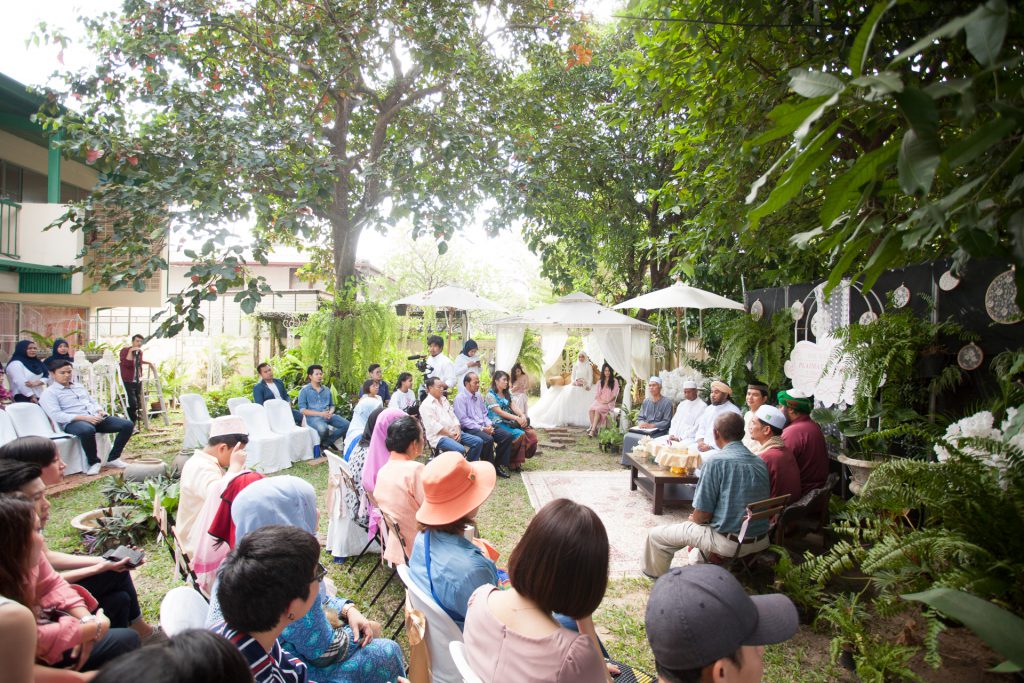
This doesn’t mean making the house luxurious like a hotel, but specifying all the details the way a hotel would — that is, making a clear floor plan to find the maximum guest capacity of our house for each style of catering. When we go to a hotel, the sales team can immediately tell us the number of guests the hotel or club can accommodate for a Chinese-table setup or a buffet. Our own house is the same. So planning the table layout is one of the very first things we need to determine: how many guests our house can actually accommodate.
Many couples skip this step and end up having to fix it later — for example, the house can really only fit 150 guests, but they estimate by eye that it can fit 300, invite 300, and the event falls apart. The very first step, when using a house that has never hosted an event before as the venue, is to lay out a floorplan to find the house’s maximum guest capacity.
2. Calculate the guest list so it doesn’t exceed the house’s capacity
Next is planning the guest count — how many guests we want to invite, how many names, and what total headcount those names lead to. This part of the calculation must be done carefully, because for most couples — 90% of them — miscalculate their guest count. You can understand why this miscalculation happens by reading the guide on calculating your guest count just right by understanding the “3 buttons” principle and by using a proper guest-list planning tool. The list of invited guests must not exceed our house’s actual guest capacity.

3. Plan the event format
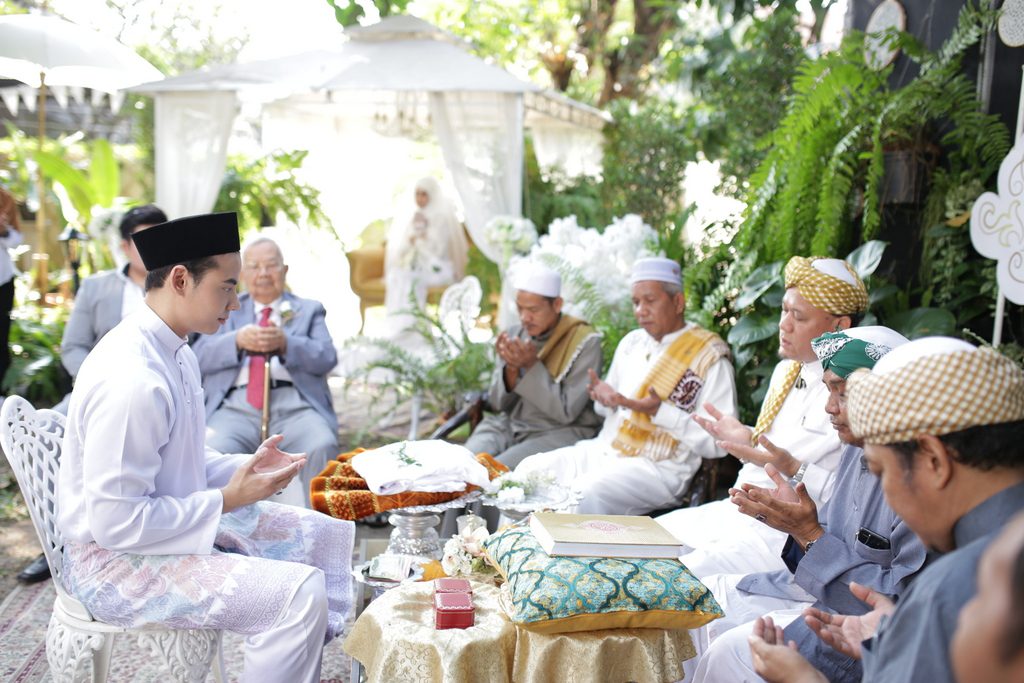
Once the first two steps are done, we come to a general step: what will we actually use the house for? For example, holding only the religious ceremony and then eating right away, or holding the religious ceremony followed by a reception and a small guest-appreciation session, or something else. Planning the event format becomes easier if we’ve laid out the floorplan from the start, because we can design where each function will be located — for example, the sofa set for the ceremony, a small stage, a backdrop, the registration table, and so on. Once we
4. Lay out the schedule
This expands on which event format we’re using, and what steps or schedule each format entails — designing a detailed schedule of who does what, where, how, and with what. A good schedule must be neither too tight nor too loose — it must be flexible. Many couples plan their schedule incorrectly because they can’t prioritize the various items and don’t understand the real meaning or purpose behind each item. When something unexpected happens, they can’t adapt or adjust on the spot. Importantly, when designing the schedule, don’t copy someone else’s — you can use others as a reference, but a good, correct schedule will align with the culture, mindset, and environment of each family, which requires real understanding to design.
5. Source the various functional items
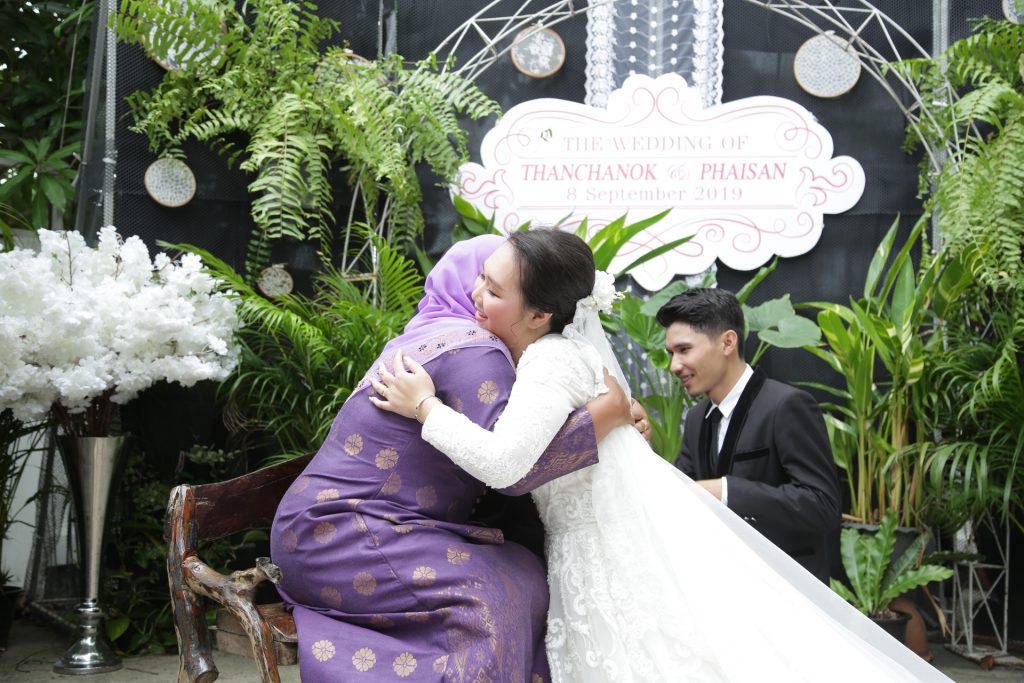
Now it’s time to start shopping for the various items, based on the information from a clear schedule — for example, the sofa set, venue decoration, salam-greeting/wai items, the mahr (dowry) tray, and so on. This is where many couples go wrong: if you notice, most couples start by buying item packages first, which is really step 5, and once they lay out the schedule, they find these items turn out to be excessive, unnecessary, or never used at all — leading to arguments between the couple, the families, or even arguments over deposits between the couple and vendors. So the functional items should be the last thing, not the first — contrary to what we’ve always misunderstood.
Conclusion
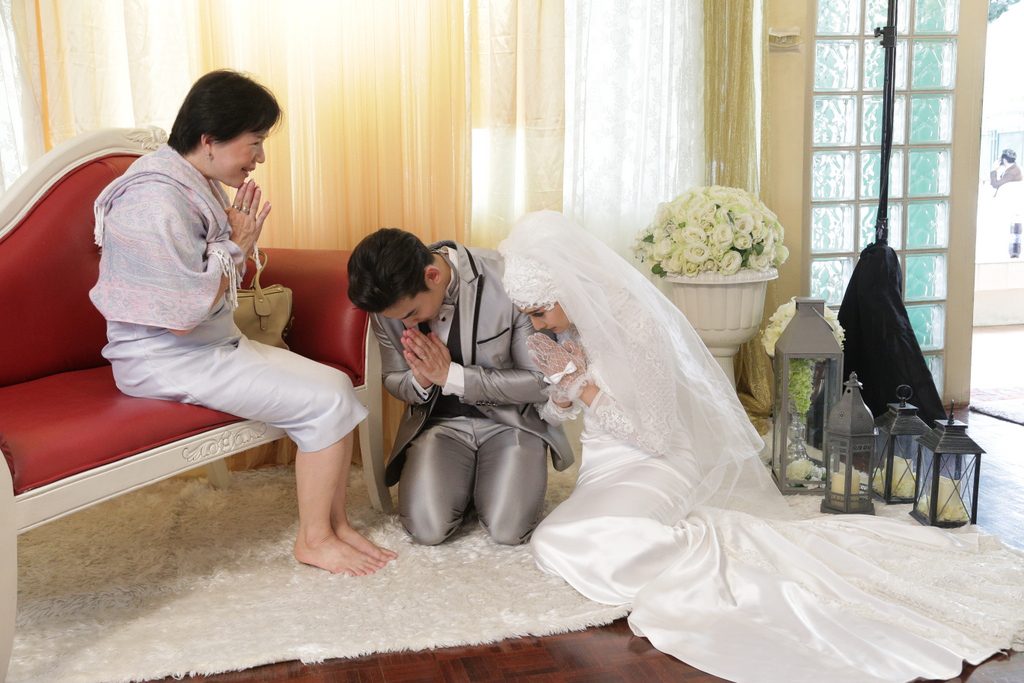
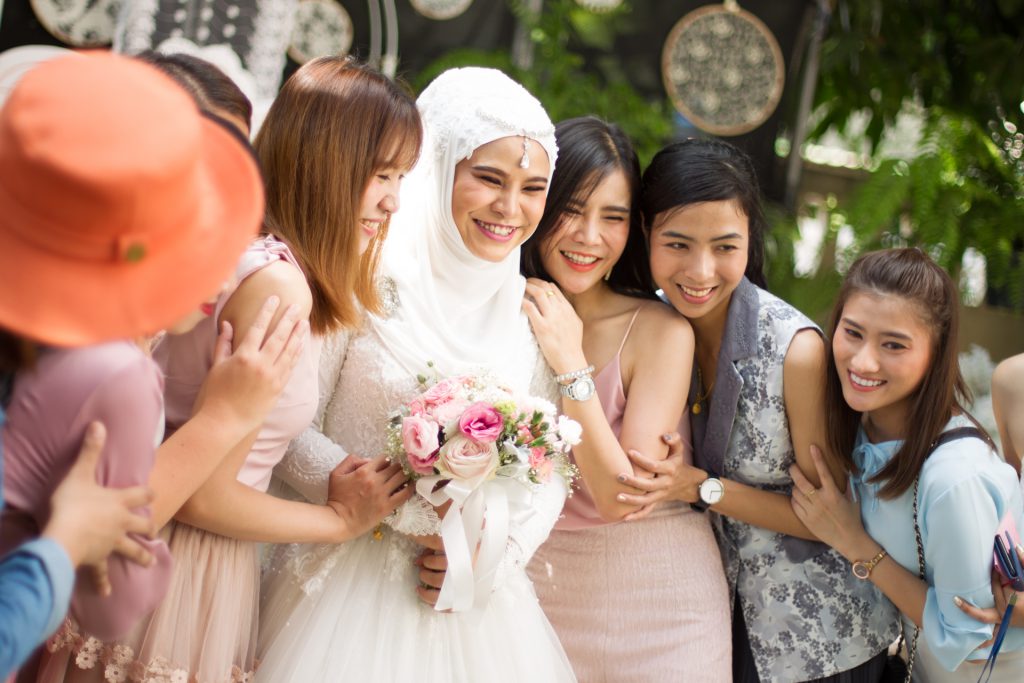
That’s the basic information for holding a wedding at home. Holding a wedding at home is the most tiring and requires the most energy, especially preparing the house to receive guests. But the upside is that it can feel like it saves on venue cost for the organizer. That said, if you want an event that feels like it’s held at home, but at a lower budget than hosting at home, and taking less time to prepare than hosting at home — as shown in all the example photos — feel free to ask our team. We have a service called PrivateNigah Private Wedding , accommodating 30-60 guests in a warm little garden-home atmosphere. See you there — I hope this article has been useful.
You must be logged in to post a comment.